
Premise liability represents an active financial threat to property management firms and institutional investors
2. Mitigating Premise Liability: Eliminating Hidden Pedestrian and Structural Hazards Across Multi-Family Portfolios
Premise liability represents an active financial threat to property management firms and institutional investors. Within multi-family apartment communities and commercial complexes, pedestrian pathways, sidewalks, and common areas are high-exposure zones. Managing these areas requires oversight far beyond basic landscaping and standard janitorial sweeps. Two primary environmental hazards consistently drive high-volume liability claims: structural organic mold buildup and unmitigated adjacent-zone obstructions. In high-humidity coastal matrices, poorly directed drainage and malfunctioning irrigation systems create persistent wet zones. These zones rapidly cultivate slick, invisible organic film on concrete walkways, creating immediate slip-and-fall liabilities. Simultaneously, unmapped foliage overgrowth and low-hanging limbs dangling over pedestrian corridors present acute facial and eye injury risks that standard landscaping crews routinely miss.
True risk mitigation requires specialized infrastructure deployment. By combining high-volume pneumatic clearing, deep hydro-extraction surface washing, and meticulous adjacent-zone safety mapping, Inspyre actively isolates and eliminates these environmental liabilities before they escalate into costly legal claims or insurance premium spikes.
1. Protecting Multi-Family CapEx: The Critical Link Between Drainage Infrastructure and Commercial Roof Warranties
For commercial real estate and multi-family assets, a building’s roof represents one of the largest single capital investments in the portfolio. Major manufacturers—including GAF, Johns Manville, and Firestone—provide extensive 20- to 30-year NDL (No Dollar Limit) warranties. However, these covenants are legally binding multi-party agreements that mandate strict baseline maintenance. A critical, frequently overlooked clause in these contracts involves water control infrastructure. When roof drainage pathways experience stagnation or severe debris accumulation, the resulting standing water causes rapid membrane degradation, seam failure, and structural deck overloading. In the event of a sudden leak, manufacturer inspectors routinely deny warranty claims if biannual drainage maintenance and visual health audits have not been rigorously documented. Inspyre Asset Protection Group eliminates this operational blind spot. Our independent, data-driven protocols provide portfolio managers with the verified digital infrastructure reporting required to satisfy warranty compliance matrices, successfully defending your long-term CapEx pipeline."


Safeguard Your Home
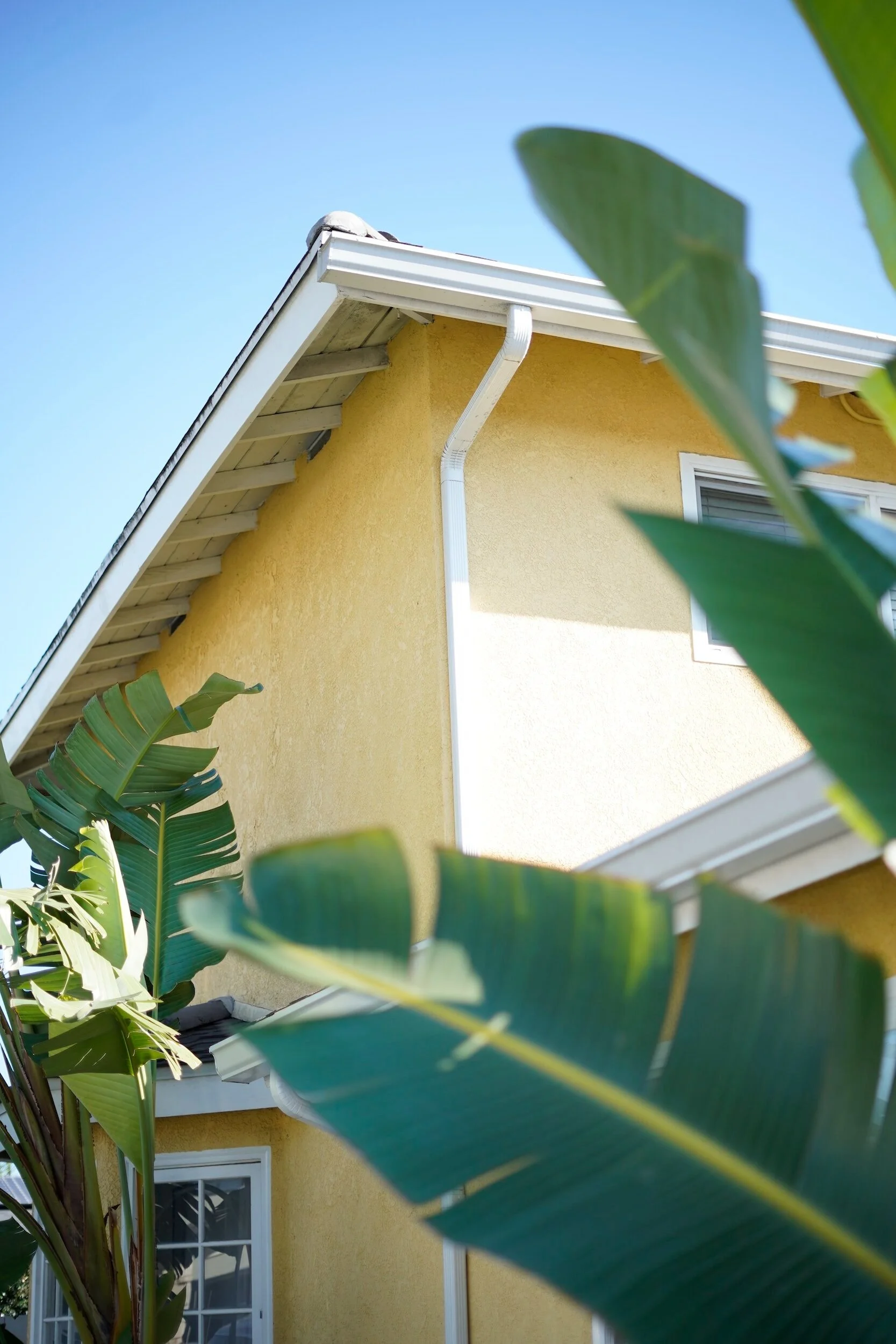
Safeguarding Your Home: The Vital Role of Rain Gutters in Protecting Fascia, Walls, and Foundation

