Multi-Point Envelope Audits
Inspyre Asset Protection Group delivers independent, data-driven exterior infrastructure audits. Our standardized protocols are engineered to isolate structural vulnerabilities, prevent water intrusion, and mitigate premises liability across regional commercial portfolios.
We systematically evaluate the full building envelope across five critical risk zones.
1) Primary Roof Drainage and Water Control Systems
Debris Volume and Flow Stagnation: Assessing foliage and environmental sediment accumulation within drainage pathways to prevent catastrophic structural overloading.
Pitch and Alignment Integrity: Verifying structural slope profiles to ensure rapid water shedding and eliminate hazardous pooling zones.
Expansion and Seam Stability: Inspecting heavy-gauge aluminum junctions, seamless profiles, and miter tolerances under acute thermal stress.
Downspout and Debris Trap Velocity: Testing outlet capacity and engineered filtration paths for clear, uninhibited flow rate execution.
Manufacturer Warranty Compliance Audits: Documenting baseline system health and clearing drainage infrastructure to fulfill mandatory bi-annual inspection covenants required to maintain commercial roof warranties.
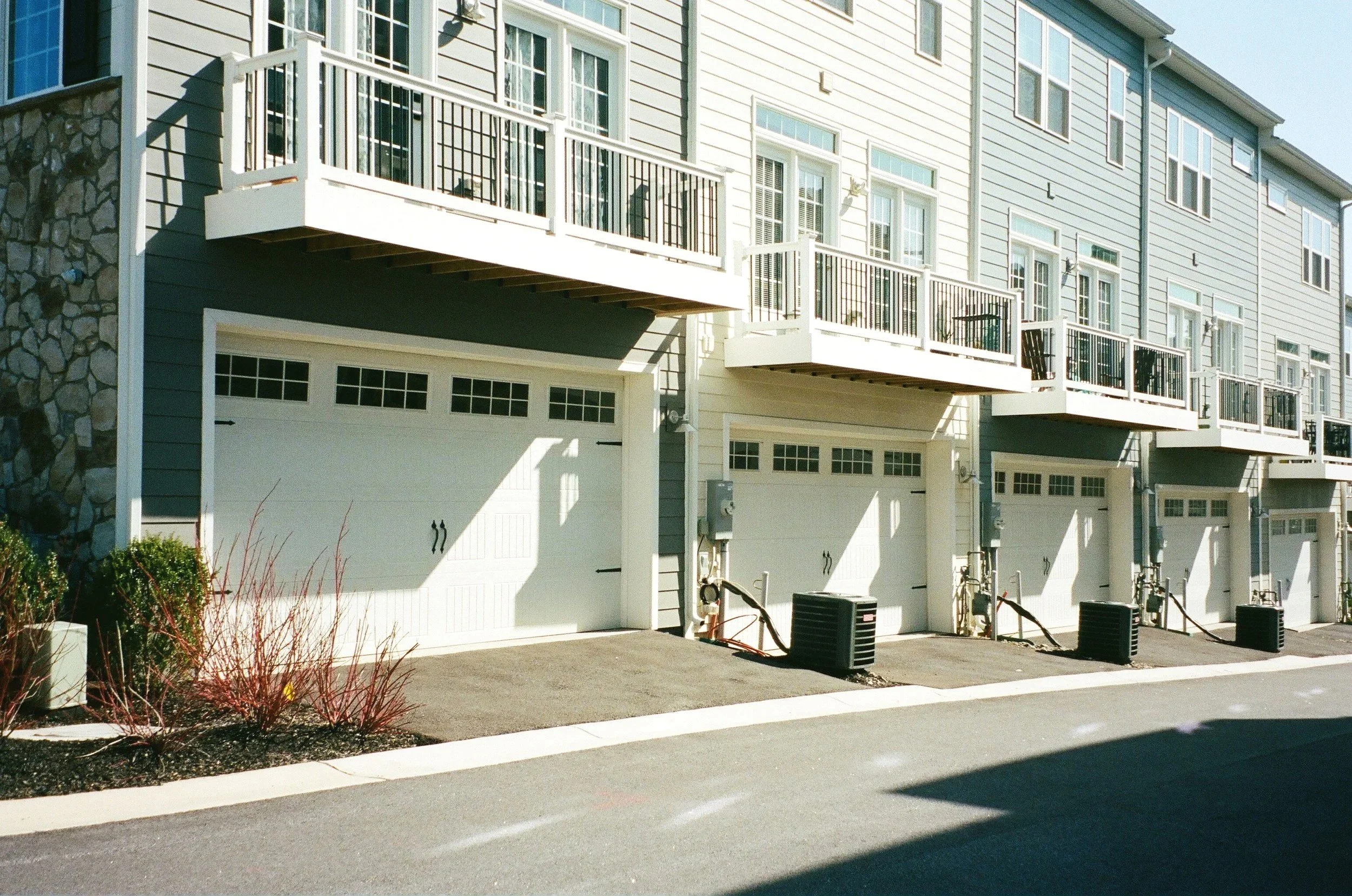
2) Building Envelope and Structural Visual Health
Fascia and Soffit Rot Detection: Investigating structural backings behind critical drainage channels for hidden moisture or advanced decay.
Siding and Cleat Anchoring: Auditing external panel stability, wind-load framing tolerances, and thermal expansion gaps.
Visual Roof Integrity: Evaluating shingle tiles and commercial single-ply membranes directly adjacent to the drainage system to preempt sudden leaks.
3) Fenestration and Opening Vulnerabilities
Window and Perimeter Sealants: Testing flashing and perimeter caulk joints for degradation, cracking, or UV-driven weathering.
External Door Thresholds: Reviewing weather stripping and structural transitions to eliminate low-point water intrusion during high-velocity storm events.
Hydro-Clean Micro-Infiltration Defenses: Deploying targeted high-volume pressure washing and window detailing to eradicate structural mold, restoring architectural aesthetics and stopping frame decay.
4) Hardscape and Pavement Integrity
Pavement and Sub-Base Cracking: Documenting linear cracks and shifting concrete slabs near structural walls to isolate potential foundation water settling.
Walkway Safety & Slip-and-Fall Mitigation: Inspecting and deep-cleaning pedestrian pathways via hydro-extraction to eliminate slick organic mold buildup, grease patterns, and standing water hazards.
Soil Erosion and Grade Mapping: Checking downspout discharge zones to ensure water is pushing cleanly away from structural footings, protecting structural sub-bases.
5) High-Volume Outbuilding and Auxiliary Assets
Carport Structural Load Audits: Examining support columns, pan roofs, and wind-brace connections on multi-family carports to eliminate structural failure risks.
Pool and Lanai Enclosure Framing: Testing structural aluminum cages, anchor bolts, and screen tension integrity against coastal wind-load matrices.
Adjacent Zone Landscape & Irrigation Risks: Auditing low-lying foliage obstructions over common walkways to prevent pedestrian injuries, and mapping malfunctioning sprinkler spray patterns that cause hidden foundation erosion or concrete shifting